
Ottawa Gospel Hall exterior framed by autumn leaves in warm golden evening light

2025 Fall Gospel Series

September 14–28, 2025

Jon Procopio & Tim Burton

The same gospel, approached from many different passages.

The 2025 Fall Gospel Series was held at Ottawa Gospel Hall from September 14–28, 2025.

Throughout the series, Jon Procopio and Tim Burton preached from different passages of the Bible, addressing some of the most important questions a person can consider: What does it mean to be lost? Why do we need to be saved? How can our sins be forgiven? Can we know that we are going to heaven? And what should we do with Jesus Christ?

Some messages considered familiar stories told by Jesus. Others focused on individuals who encountered Christ, the value God places upon a human soul, or the promises Jesus gives to those who come to Him.

Different passages and illustrations were used, but the message at the centre of the series remained the same: our sin separates us from God, we cannot save ourselves, and God has provided a Saviour in His Son, Jesus Christ.

At the cross, Christ died for sinners. He rose again, and God offers forgiveness and eternal life to everyone who trusts in Him

If you would like to understand more about why salvation is needed and how it is received, explore Salvation Explained.

What does the gospel mean for you?

Each message in this series approaches the gospel from a different passage, question, or biblical account. But they all lead back to the same central truth: God has provided salvation through Jesus Christ.

As you listen, the question is not simply whether the message is true in general, but what it means for you personally: What will you do with Jesus Christ?

Gospel Messages from the Series

Each message below can be heard on its own. Together, they explore the gospel from a range of passages and perspectives — from the promise of heaven and the danger of travelling through life without Christ to the compassion of the Saviour who receives sinners.

  • Contemporary editorial illustration of an open metal gate in a textured navy and warm parchment passage, symbolizing release, freedom, and an opened way forward.

    Barabbas and Jesus: The Guilty Prisoner Who Went Free

    Why was Barabbas released while Jesus was crucified? This Matthew 27 gospel message explores guilt, substitution, forgiveness, and Christ’s finished work.

  • Illustration of a railway watchman holding a lantern as a passenger train approaches, evoking the Decker story of sacrifice in a sermon on God’s love in John 3:16

    Who Is “Whosoever” in John 3:16?

    John 3:16 promises everlasting life to whoever believes in Christ. This gospel message explains God’s love, the cross, and who “whosoever” includes.

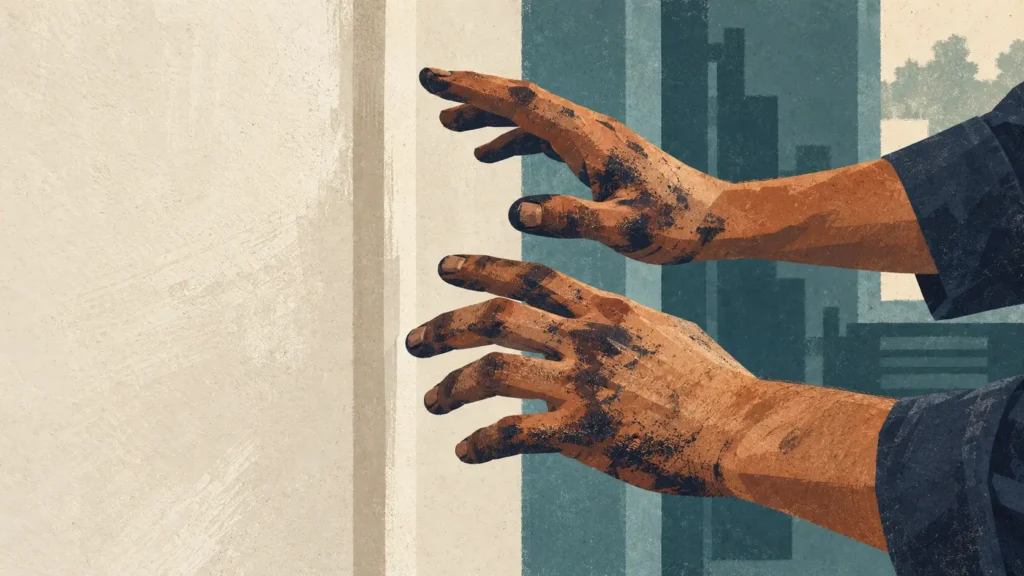
  • Grease-stained hands reaching toward a clean wall beside an industrial workshop doorway

    What Does It Mean to Be Saved?

    What does it mean to be saved? Acts 16:30–31 explains salvation as forgiveness, cleansing from sin, a debt paid in full, and a secure future in Christ.

  • Vintage wage time clock representing Romans 6:23 and the contrast between the wages of sin and the gift of God.

    Romans 6:23: The Wages of Sin and the Gift of God

    What does Romans 6:23 mean? This sermon explains the wages of sin, death, and God’s gift of eternal life through Jesus Christ.

  • A rope stretches across choppy water toward an orange life ring, with forested hills in the distance

    Look Unto Me and Be Saved

    What does “Look unto Me and be saved” mean in Isaiah 45:22? See why we need rescue, why we cannot save ourselves, and why salvation rests on Christ.

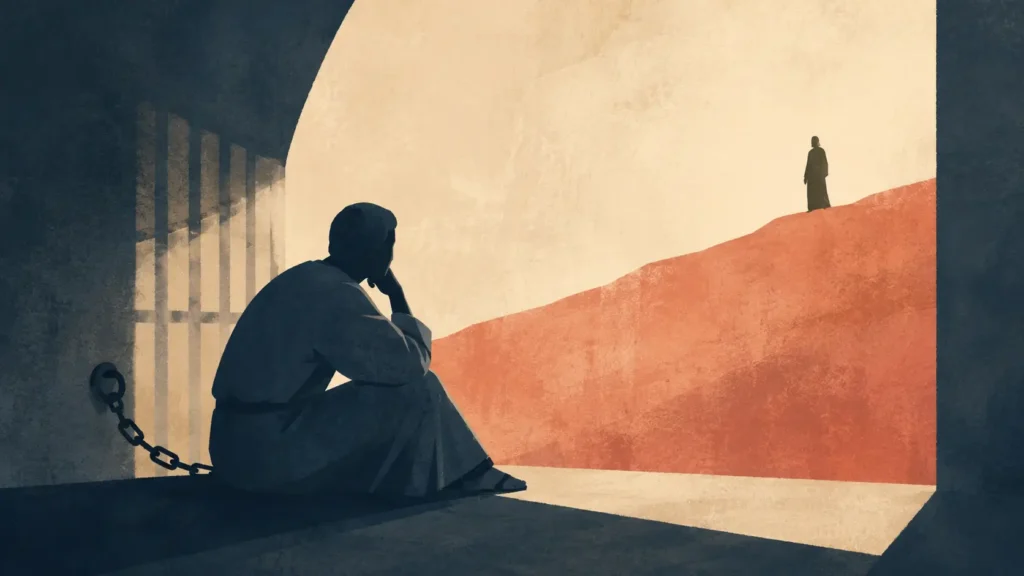
  • Contemporary illustration of the Philippian jailer sitting chained in a dark prison while an open doorway suggests freedom, illustrating salvation by faith in Christ from Acts 16.

    What Must I Do to Be Saved?

    What must I do to be saved? Acts 16:30–31 gives the Bible’s answer: believe on the Lord Jesus Christ. A message on sin, works, faith, and the cross.

  • Woman reflected in a fogged oval mirror beside a window.

    The Mirror, the Map, and the Man: Sin, Repentance & Salvation

    James 1 compares God’s Word to a mirror. This message uses a mirror, a map, and Christ Himself to explain sin, repentance, and salvation.

  • Editorial illustration of a broken stone wall beside a dead fig tree under a dark, textured sky, symbolizing spiritual neglect, judgment, and fruitlessness.

    Repent or Perish: What Jesus Meant in Luke 13:1–9

    What did Jesus mean by “unless you repent, you will all likewise perish”? A Luke 13:1–9 message on tragedy, repentance, judgment, and God’s patience.

  • Illustration of an open door held ajar by a wedge, symbolizing the gospel message “Jesus is the Door” and the urgency to enter before the door is shut.

    Jesus Is the Door: Enter Before the Door Is Shut

    When someone asked whether only a few would be saved, Jesus turned the question into a personal command: “Strive to enter.” The door of salvation remains open, but it will not remain open forever.

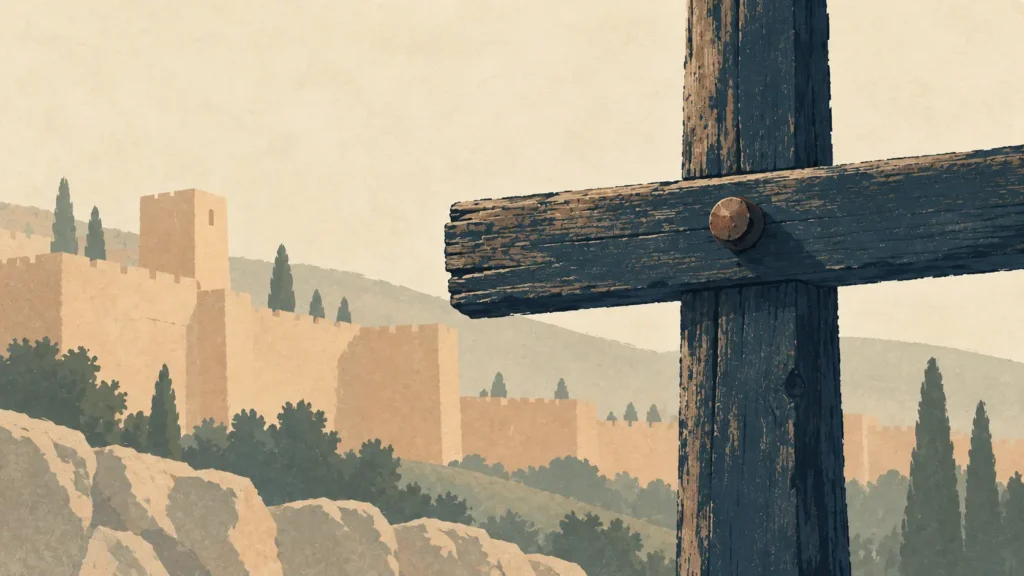
  • Roman cross in foreground against the backdrop of the city of Jerusalem

    What Is a King Doing on a Cross?

    Pilate wrote, “Jesus of Nazareth, the King of the Jews,” and placed the title above the cross. Beneath that title was the suffering King who became the accepted sacrifice for sin and took the guilty sinner’s place.

  • Woman standing with her head bowed beside a window.

    Bowed for Eighteen Years: How Jesus Set a Woman Free

    In Luke 13:10–17, Jesus sets free a woman bent over for eighteen years. See what her helplessness teaches about sin, Christ, and salvation.

  • Globe of earth marked by the effects of sin

    John 3:16: God’s Love, Believing in Christ & Everlasting Life

    John 3:16 presents God’s love, the gift of His Son and the promise of everlasting life. This gospel message explains who “whosoever” includes and why salvation is found in Jesus Christ rather than in our ability to believe correctly.

  • Alt text: Contemporary biblical editorial illustration of a deep navy surface being scraped away to reveal warm parchment and ochre beneath, symbolizing renewal, uncovering, and spiritual transformation.

    How Can I Know My Sins Are Forgiven?

    Luke 7:36–50 tells of a woman described as a sinner who came to Jesus and heard the words, ‘Your sins are forgiven.’ Can a person have that same certainty today?

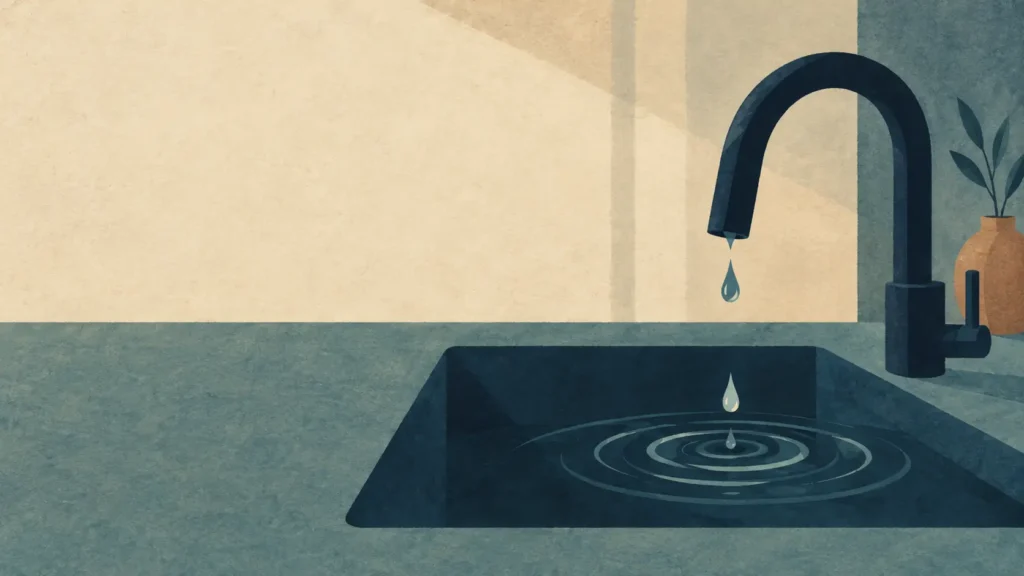
  • Dripping faucet symbolizing Pilate washing his hands of the blood of Christ

    What Will You Do With Jesus? Pilate’s Choice and Yours

    Pilate wrestled with the truth, washed his hands, and marvelled at Christ’s death — yet never made it his own. What will you do with Jesus?

  • Contemporary biblical illustration of a solitary figure facing a prepared entrance, symbolizing Jesus as the only way to the Father in John 14:1–6.

    How Can You Know You’re Going to Heaven?

    Can you know you’re going to heaven? John 14:1–6 explains the place Christ prepared, why Jesus is the only way, and how sinners are received.